
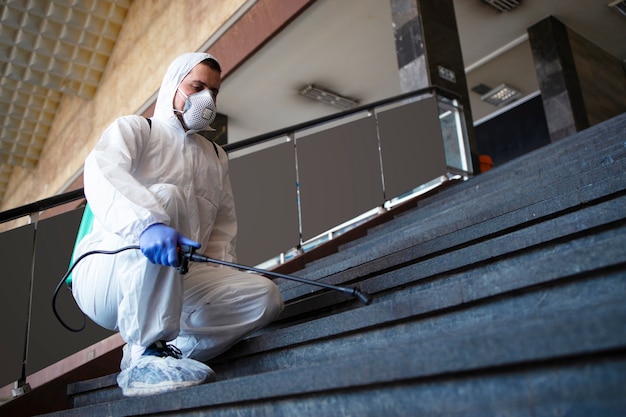
Termites are among the most destructive pests that can invade a property, causing significant structural damage if left unchecked. The importance of safeguarding properties from these silent destroyers cannot be overstated. An effective termite barrier installation can serve as a crucial line of defense, ensuring the longevity and integrity of buildings. Understanding the nuances of termite barrier systems and their installation can empower property owners with the knowledge needed to make informed decisions. For those looking to delve deeper into this essential subject, discover expert strategies here.
Understanding Termite Barriers
Termite barriers are designed to prevent subterranean termites from accessing buildings. They can be classified into two main types:
- Physical Barriers: These are typically installed during the construction phase and involve using materials like crushed rock or stainless steel mesh.
- Chemical Barriers: These involve applying a chemical treatment to the soil around and beneath a structure, creating a treated zone that termites cannot cross.
Benefits of Termite Barrier Installation
Installing a termite barrier provides numerous advantages:
- Protection against costly repairs by preventing termite damage.
- Peace of mind knowing the property is safeguarded against termite infestations.
- Increase in property value due to enhanced structural integrity.
- Eco-friendly options are available for environmentally conscious property owners.
To explore advanced guides and tips on termite barrier systems, find out more about this approach.
Choosing the Right Termite Barrier Solution
Selecting the appropriate termite barrier depends on several factors, including the type of construction, the level of termite risk, and budget considerations. Here are some key points to consider:
- Type of Construction: New buildings can benefit from physical barriers, while existing structures might require chemical treatments.
- Termite Risk Assessment: Areas with high termite activity may require more robust solutions.
- Budget Constraints: While chemical barriers may be more cost-effective initially, physical barriers might offer long-term savings through durability.
To learn about tailored solutions that fit specific needs, explore advanced guides and tips.
Installation Process and Maintenance
Professional installation is critical for the effectiveness of termite barriers. The process typically involves:
- Thorough inspection of the property to assess termite risk and determine the best barrier type.
- Preparation of the site, including soil treatment for chemical barriers or laying mesh for physical barriers.
- Regular maintenance and inspections to ensure the barrier remains effective over time.
For a comprehensive understanding of the installation process, learn about our tailored solutions.
Conclusion
Investing in a termite barrier installation is a proactive step towards preserving the structural integrity of a property. By understanding the options available and choosing the right type of barrier, property owners can protect their investment from the costly damage termites can cause. Interested individuals can find out more about this approach to ensure they are making informed decisions about their property’s protection.