
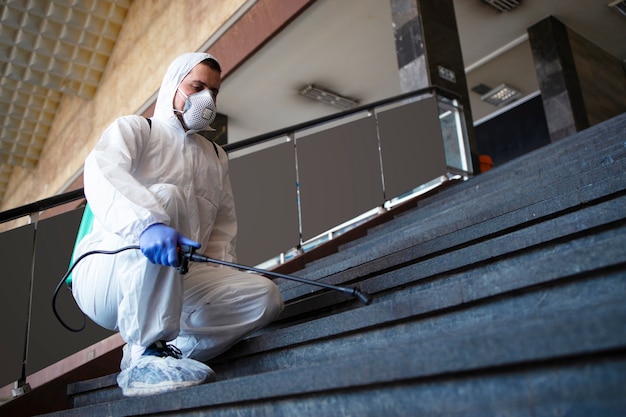
Basements are often prone to developing unpleasant odors due to their underground location, limited ventilation, and potential exposure to moisture. These odors can not only make a space uncomfortable but can also indicate the presence of mold, mildew, or other underlying issues. Addressing these odors effectively requires a comprehensive understanding of their sources and the application of specialized techniques. This article delves into the methodologies employed in professional basement odor removal services, providing insights into how these services can restore freshness and ensure a healthy environment.
Understanding the Sources of Basement Odor
Identifying the root cause of basement odors is crucial for effective treatment. Common sources include:
- Mold and Mildew: These fungi thrive in moist environments and can produce a musty smell.
- Moisture: Water leaks or high humidity levels can contribute to unpleasant odors.
- Poor Ventilation: Lack of air circulation can trap odors and exacerbate their presence.
- Decaying Organic Matter: Items such as cardboard boxes and old furniture can decompose and emit foul smells over time.
Discover expert strategies here to effectively tackle these issues.
Key Techniques in Basement Odor Removal
1. Comprehensive Inspection and Assessment
Professional odor removal services begin with a thorough inspection to identify the specific sources and severity of the odors. This assessment allows for the formulation of a tailored action plan. Learn about our tailored solutions that can address even the most challenging odor issues.
2. Moisture Control and Dehumidification
Controlling moisture is essential in preventing the recurrence of odors. This involves:
- Utilizing dehumidifiers to maintain optimal humidity levels.
- Repairing any leaks or water damage promptly.
Find out more about this approach here.
3. Advanced Cleaning and Sanitization
Removing odors often requires deep cleaning and sanitization, focusing on:
- Using specialized cleaning agents to eliminate mold and mildew.
- Applying antimicrobial treatments to prevent future growth.
Explore advanced guides and tips on these methods here.
4. Enhancing Ventilation
Improving air circulation can significantly reduce odors. Techniques include:
- Installing ventilation systems to increase airflow.
- Utilizing fans and air purifiers to enhance air quality.
Discover expert strategies here to implement effective ventilation solutions.
Long-term Prevention of Basement Odors
Sustaining a fresh basement environment requires ongoing preventive measures. Consider:
- Regularly inspecting for leaks and signs of moisture.
- Maintaining cleanliness and removing unnecessary clutter.
- Scheduling routine professional inspections to identify potential issues early.
Learn about our tailored solutions here to keep your basement odor-free.
Conclusion
Effective basement odor removal is not just about masking smells but addressing the underlying causes. By employing a strategic combination of assessment, moisture control, cleaning, and ventilation, professional services can ensure a comfortable and healthy environment. For those seeking expert guidance and solutions, find out more about this approach to maintaining a fresh and odor-free basement.