
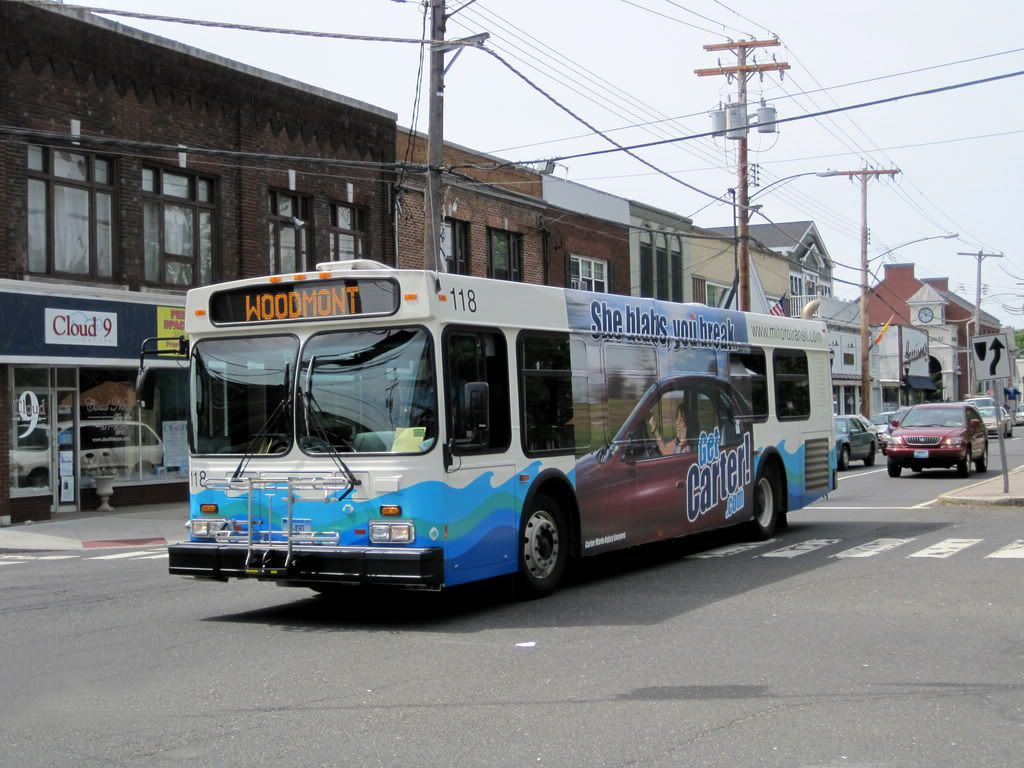
Connecticut’s bus transit system stands as a beacon of efficiency and accessibility in the field of public transportation. With a diverse network of routes, it links communities, businesses, and recreational areas with ease, reducing the reliance on personal vehicles and contributing to environmental sustainability. This comprehensive system has become an integral part of the daily lives of many residents, facilitating seamless mobility across the state. By understanding the intricacies of this network, commuters can maximize the benefits offered by Connecticut’s bus transit system.
Overview of the Bus Network
The Connecticut bus transit system comprises an extensive network that covers major urban centers as well as suburban and rural areas. It is designed to connect various sectors of the state efficiently, thus facilitating economic growth and enhancing quality of life.
- Multiple bus routes are strategically organized to cover different regions. Discover expert strategies here.
- The system includes both local and express services, catering to different commuting needs.
- Integration with other forms of public transportation, such as trains, ensures a seamless travel experience for users.
Technological Innovations
Advancements in technology have played a vital role in enhancing the efficiency and user-friendliness of Connecticut’s bus transit system. These innovations are aimed at improving accessibility, convenience, and service delivery.
Real-Time Tracking and Updates
Passengers can access real-time bus tracking and updates through various platforms, allowing them to plan their journeys with precision. This feature has significantly reduced waiting times and improved overall satisfaction. Explore advanced guides and tips.
Mobile Applications
Mobile apps provide a host of features, including route planning, schedule information, and service alerts. These tools empower users by giving them control over their commuting options. Find out more about this approach.
Accessibility and Inclusivity
Ensuring accessibility for all passengers is a key priority of Connecticut’s bus transit system. Efforts are continuously made to address the needs of diverse groups, including those with disabilities and the elderly.
- All buses are equipped with wheelchair ramps and designated seating areas to accommodate passengers with mobility challenges.
- Audio-visual announcements are provided to assist those with sensory impairments.
- Driver training programs emphasize sensitivity and awareness to improve passenger experience.
Environmental and Economic Benefits
The bus transit system in Connecticut contributes to environmental sustainability by reducing traffic congestion and lowering carbon emissions. Furthermore, it plays a pivotal role in the economic vitality of the region.
- By encouraging public transit use, there is a significant reduction in the number of vehicles on the road, leading to cleaner air and reduced greenhouse gas emissions.
- The system supports local economies by providing reliable transportation for the workforce, thus aiding in job access and economic activities.
- Cost-effective travel options help individuals save on commuting expenses, making public transportation an attractive alternative to driving.
In conclusion, Connecticut’s bus transit system exemplifies a modern, efficient approach to public transportation, prioritizing convenience, accessibility, and sustainability. By continuously evolving and integrating innovative solutions, it remains a vital part of the state’s infrastructure. Learn about our tailored solutions. Through the strategic planning and execution of routes and services, it serves as a model for other regions aiming to enhance their public transit offerings.